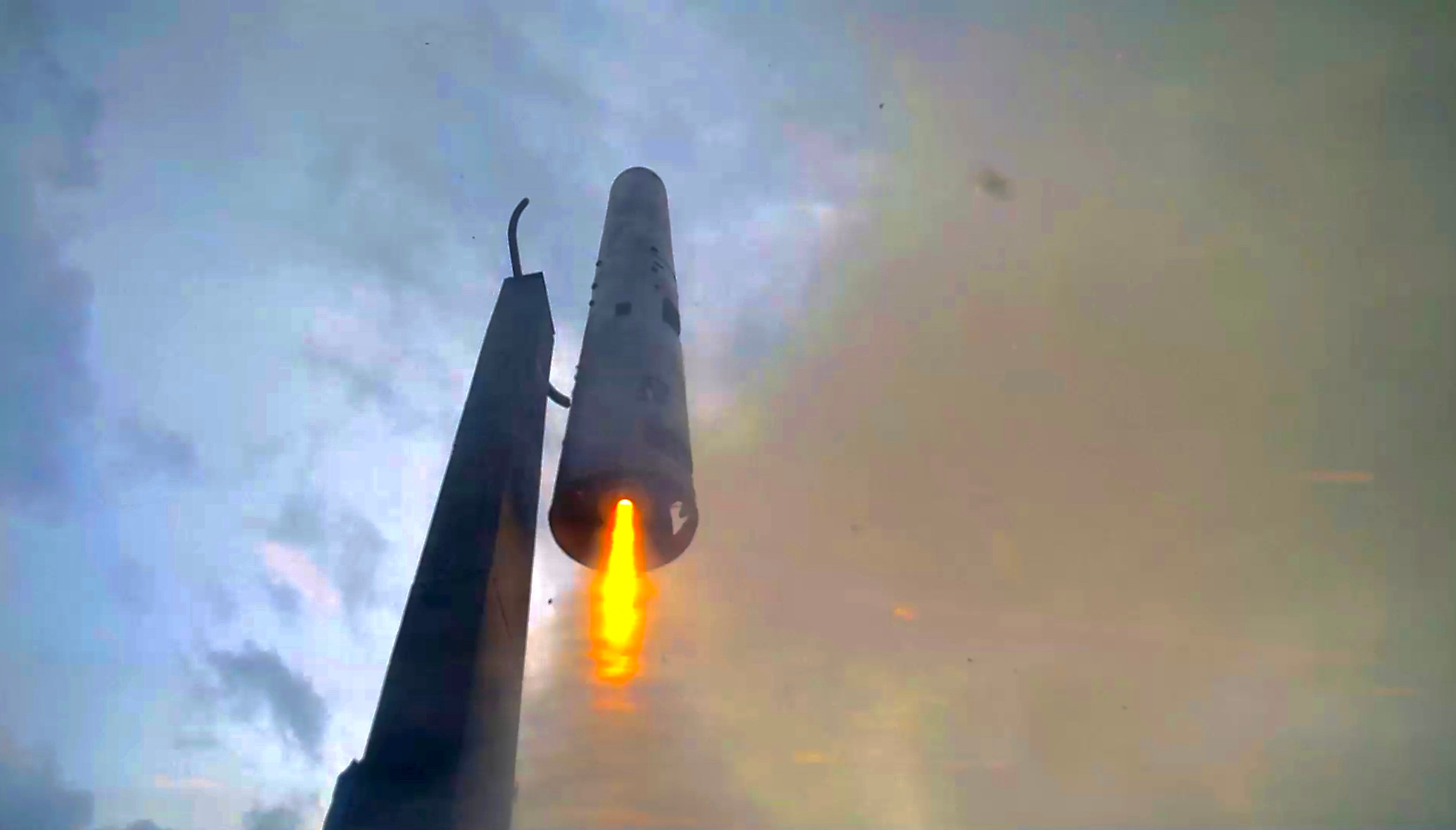
Phoenix 1
Thrust Vector Controlled Model Rocket
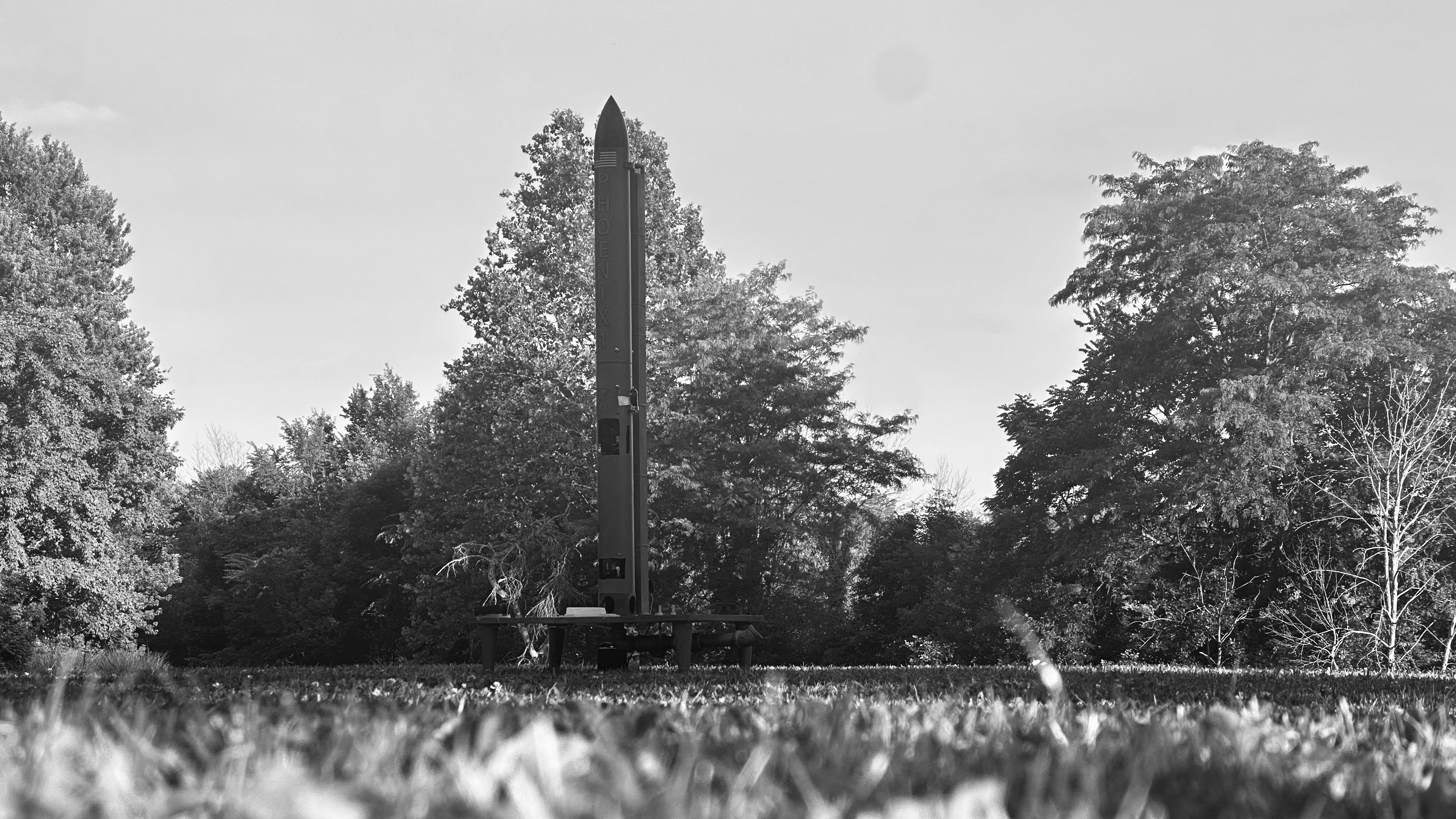
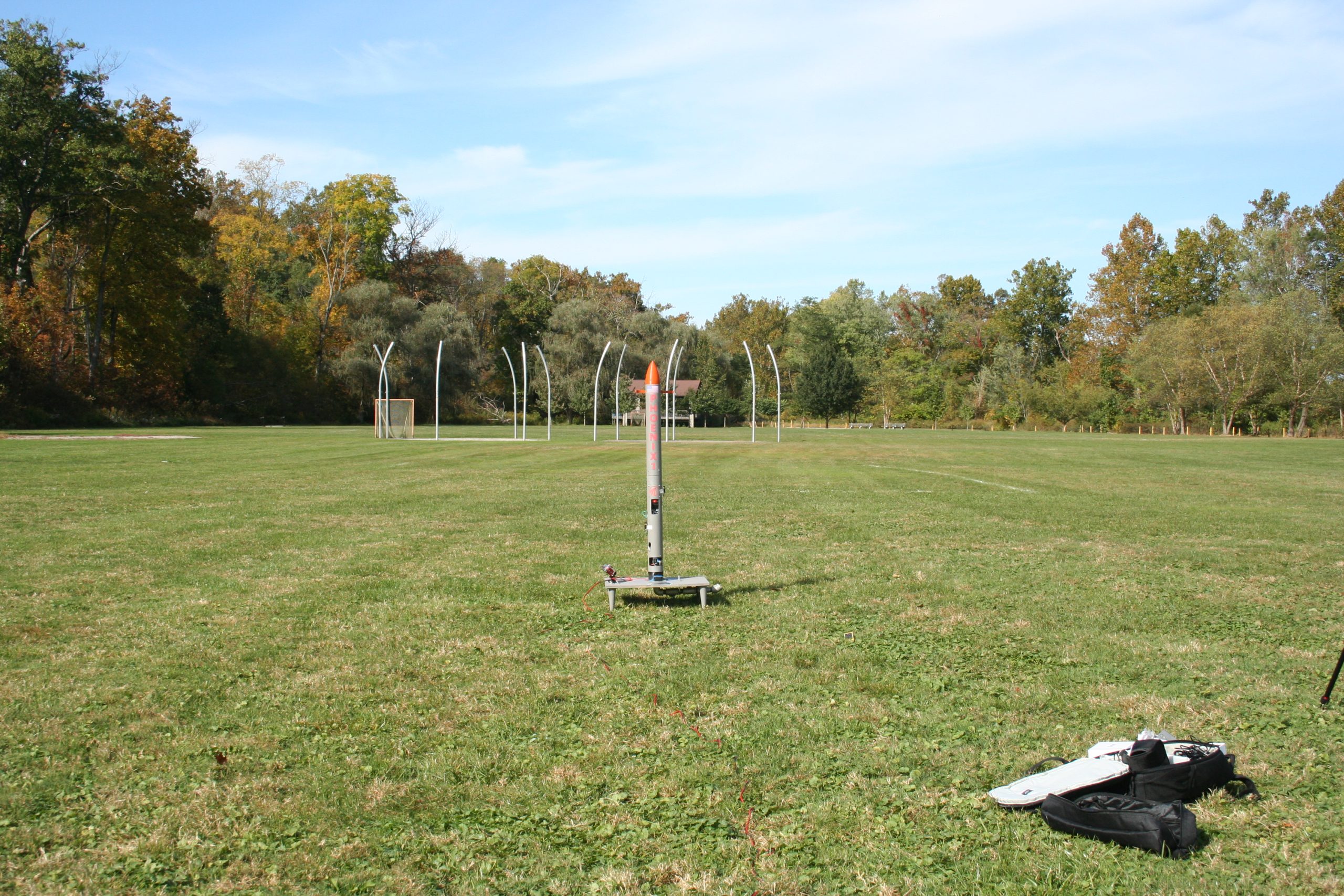
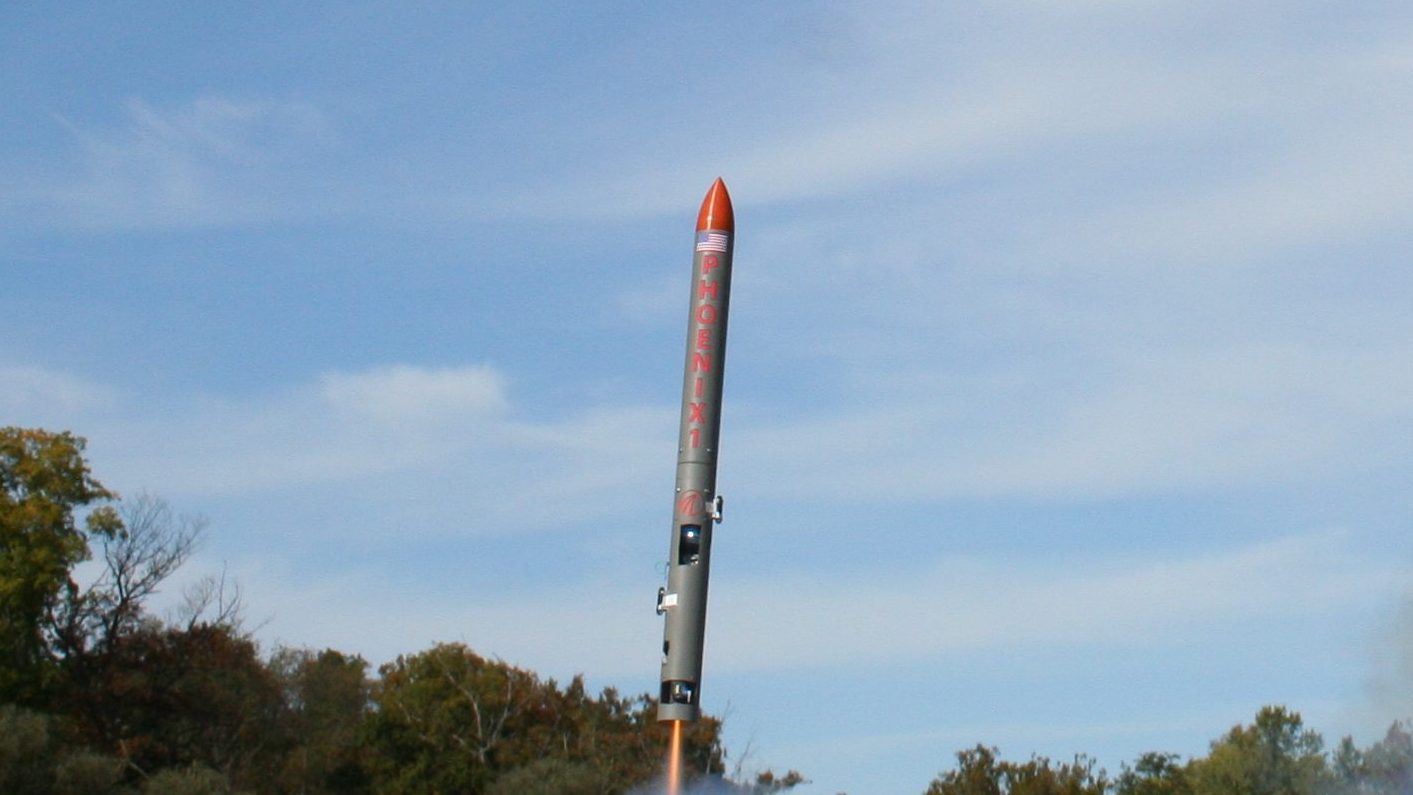
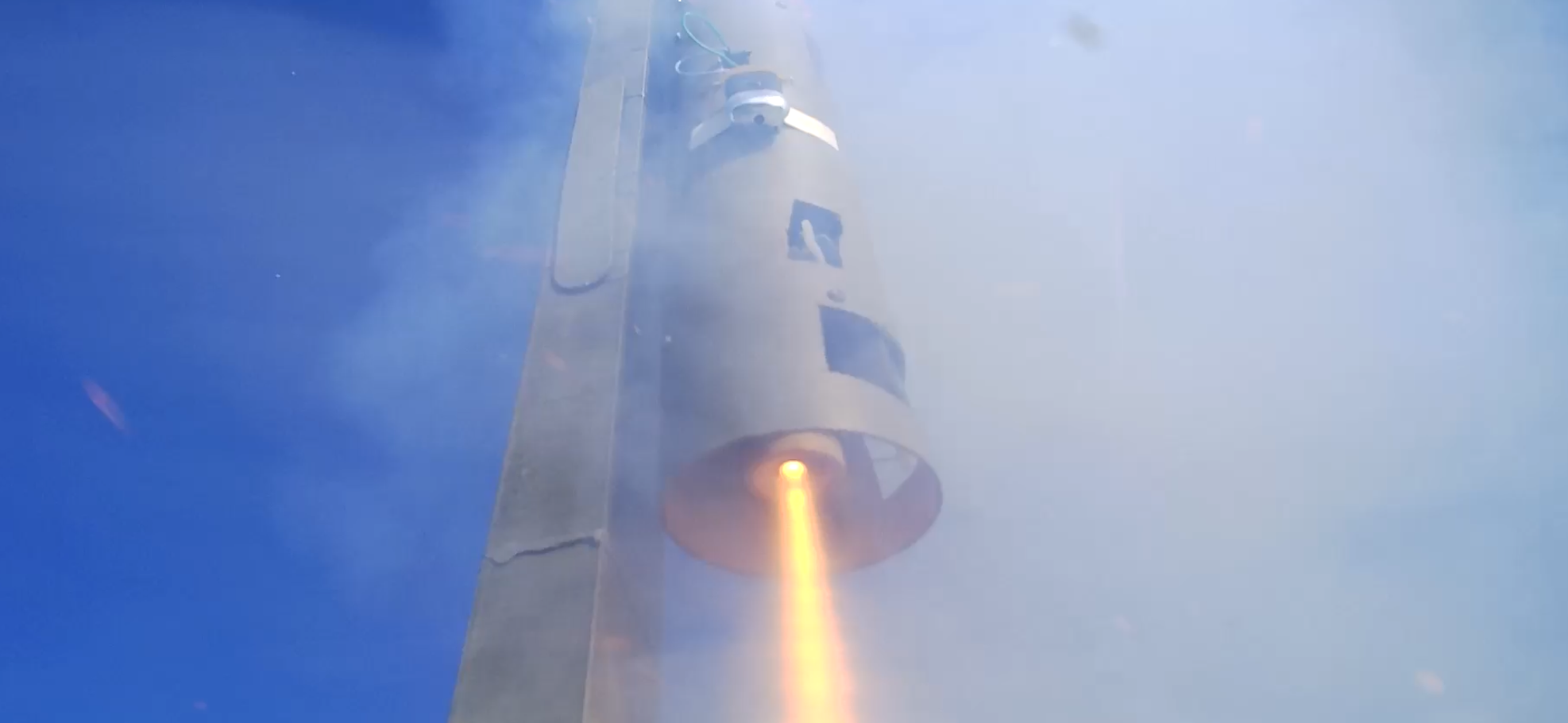
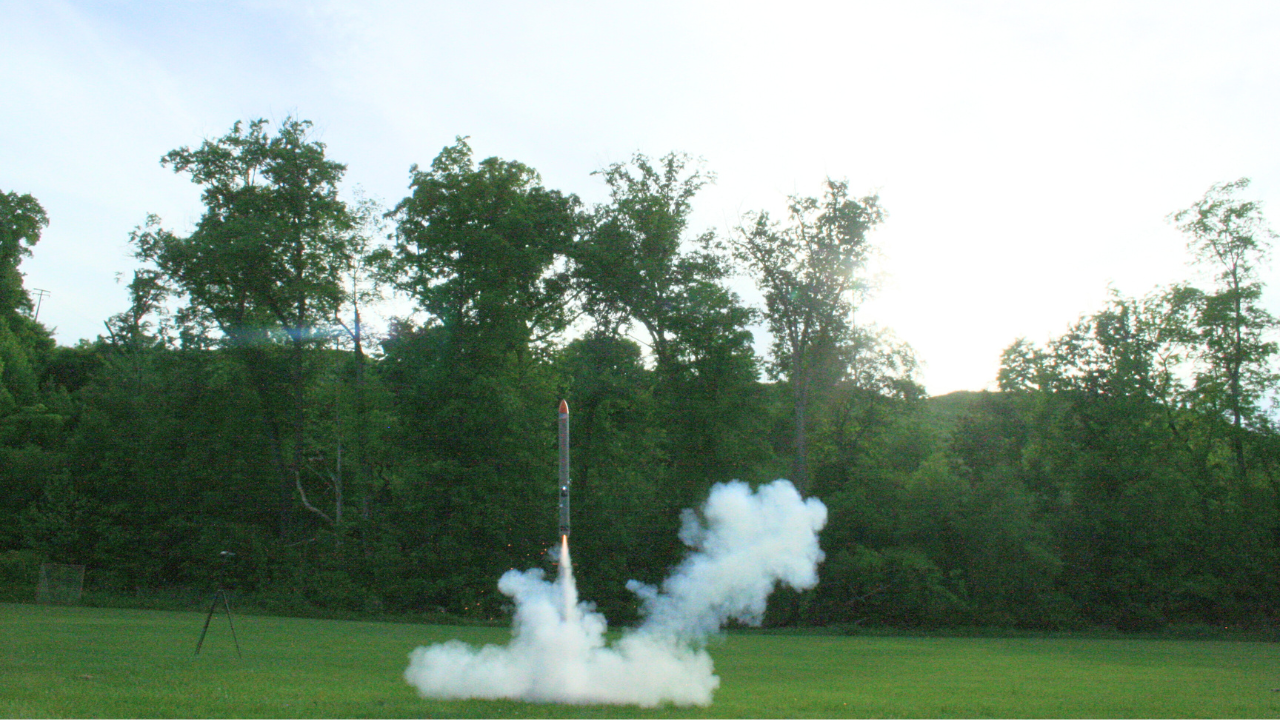
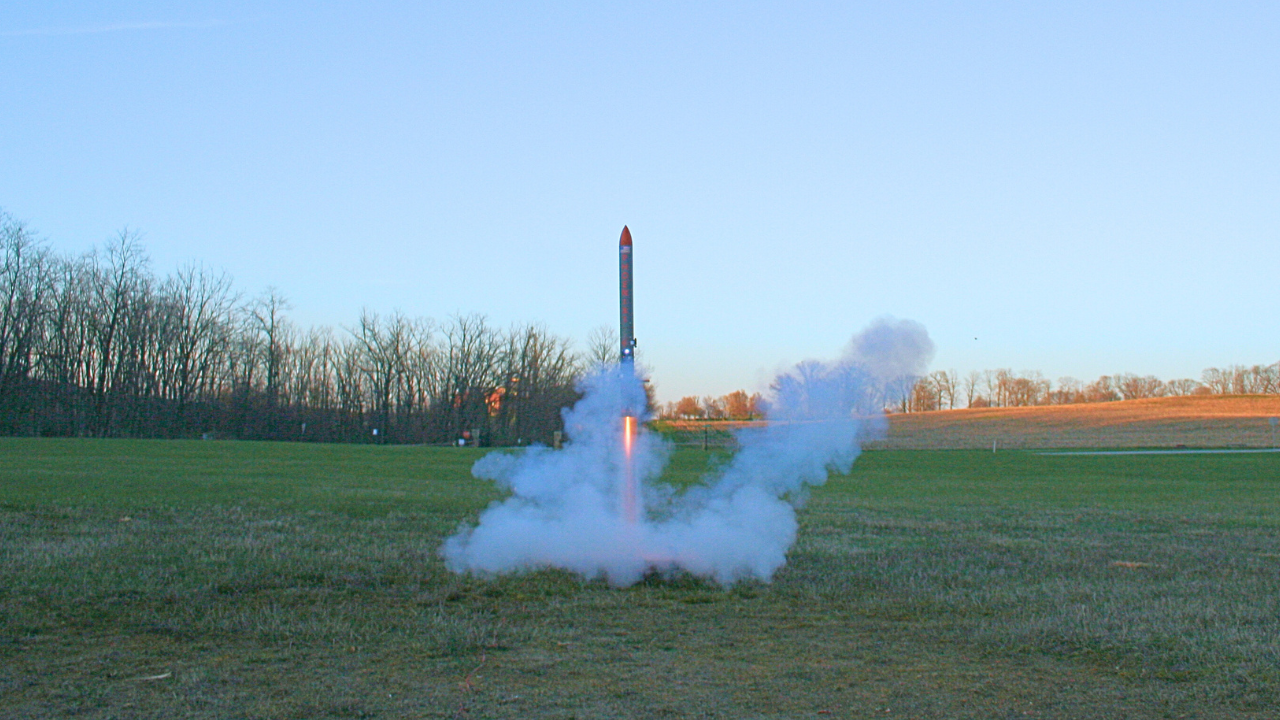
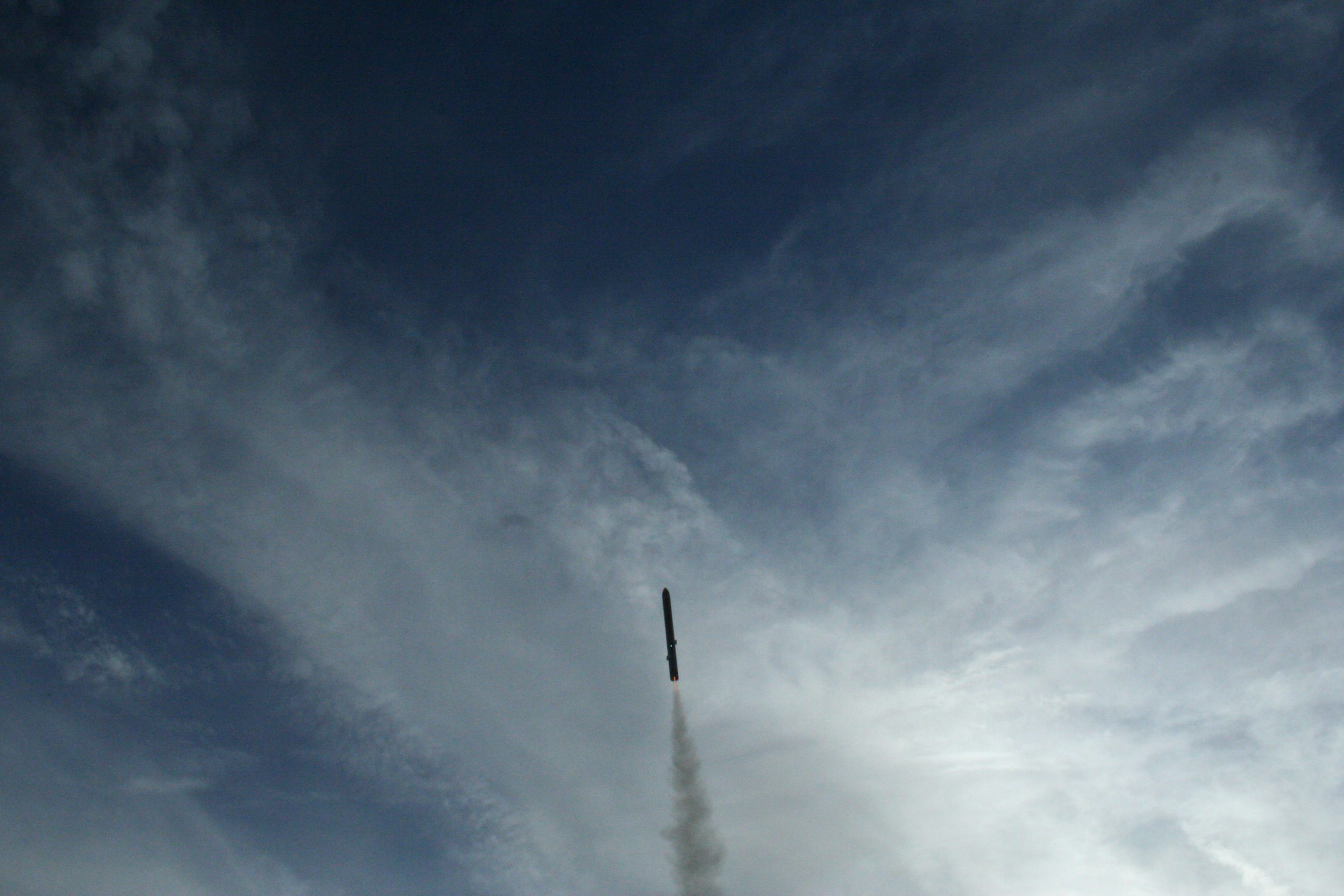
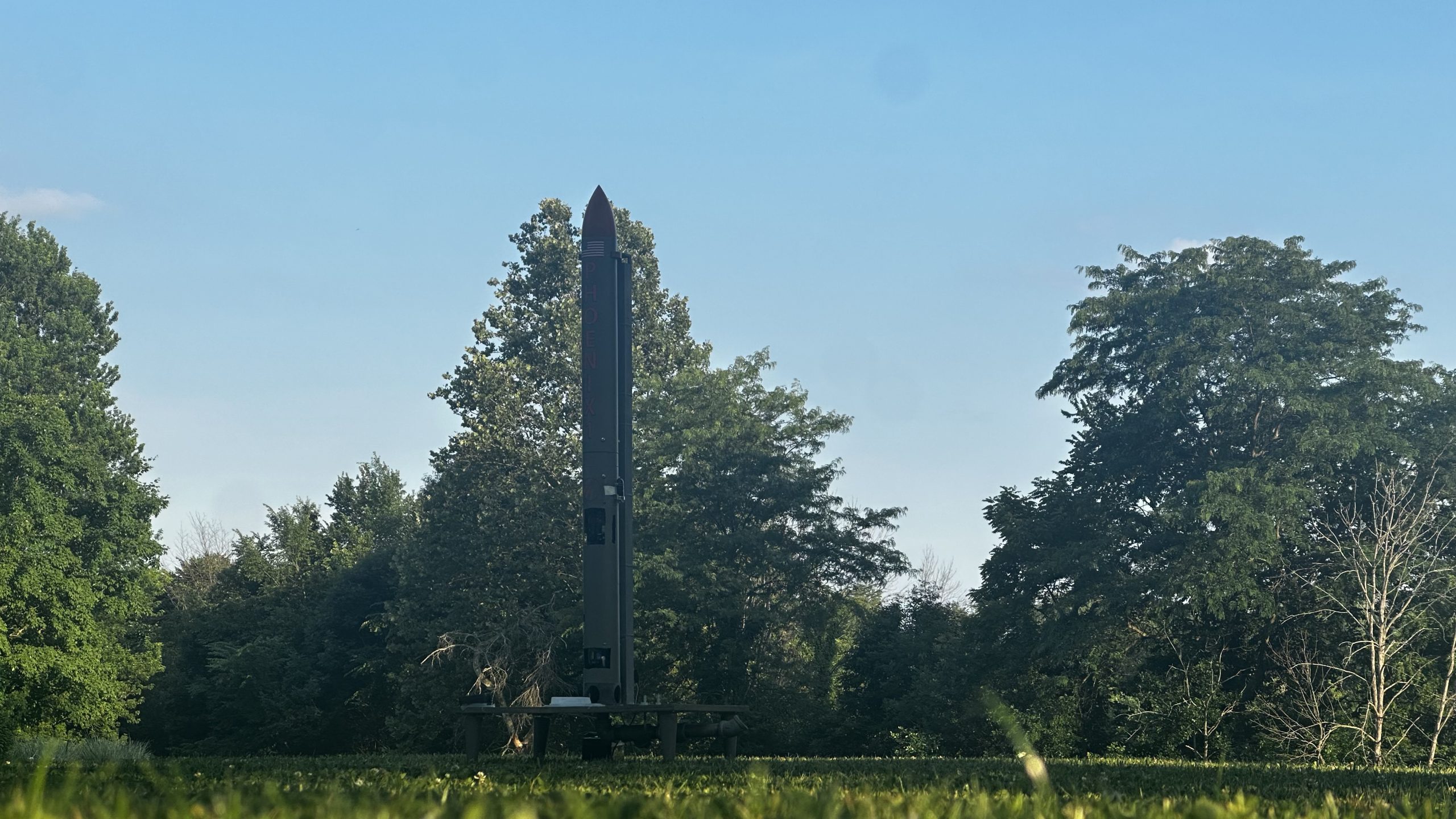
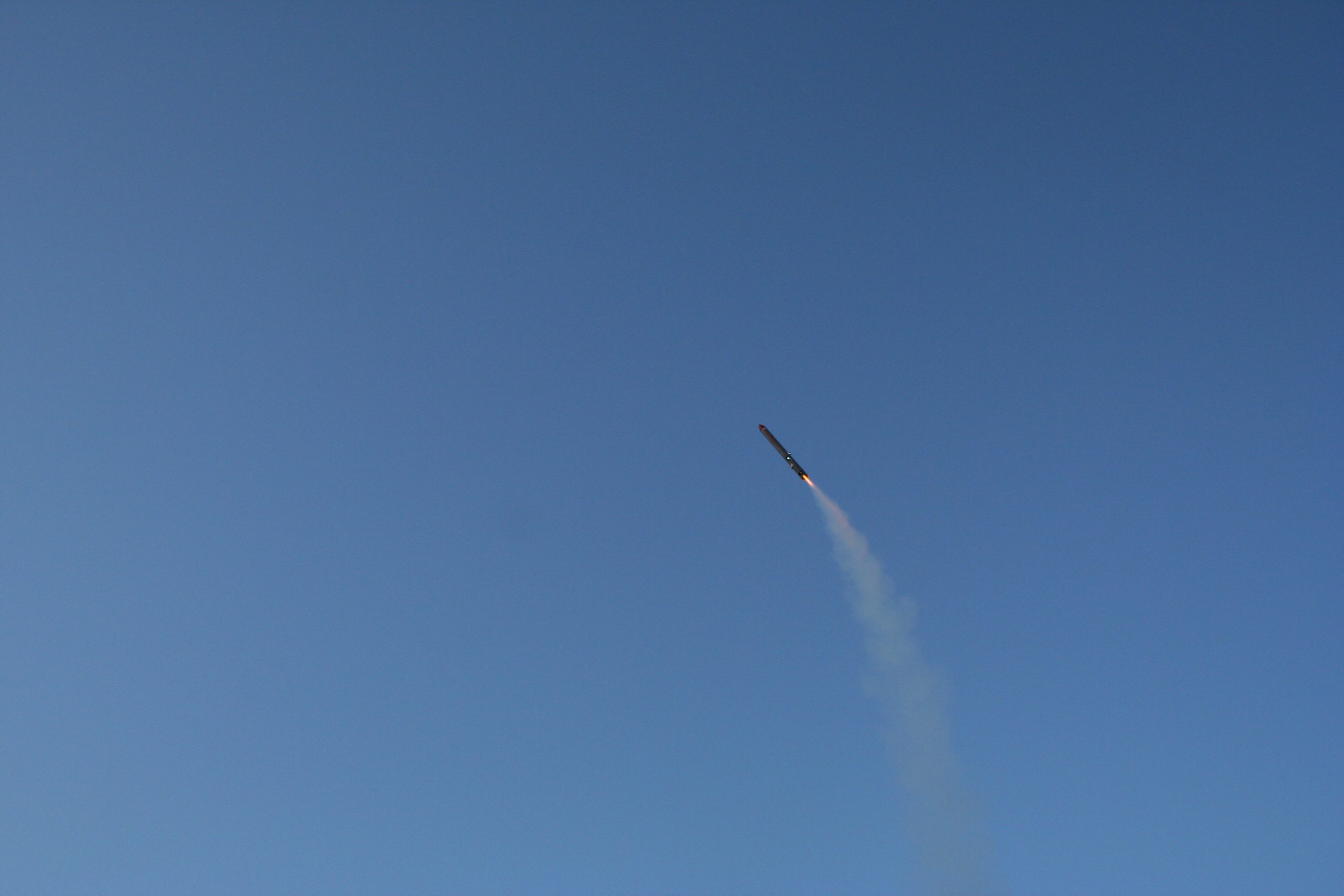
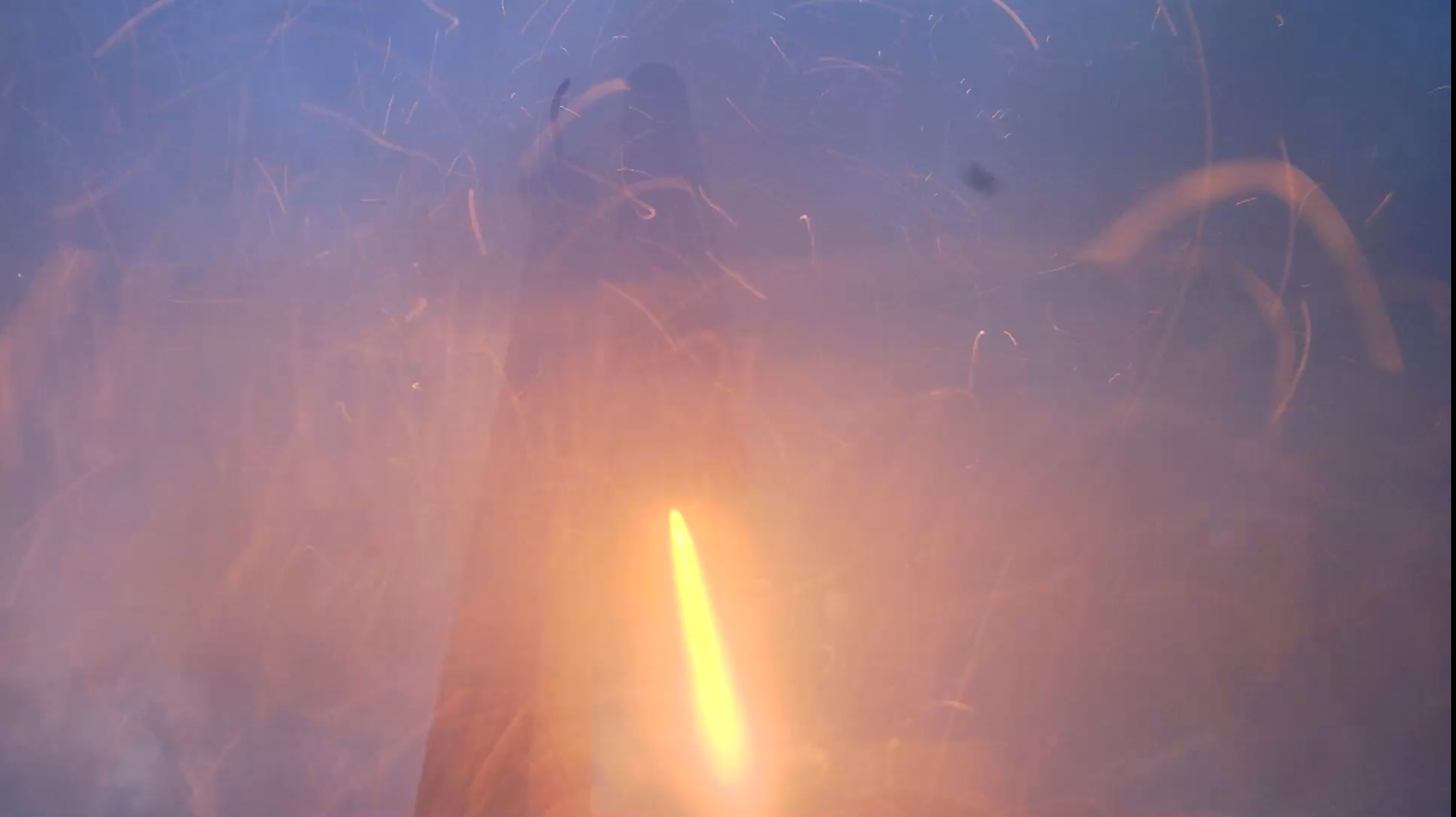
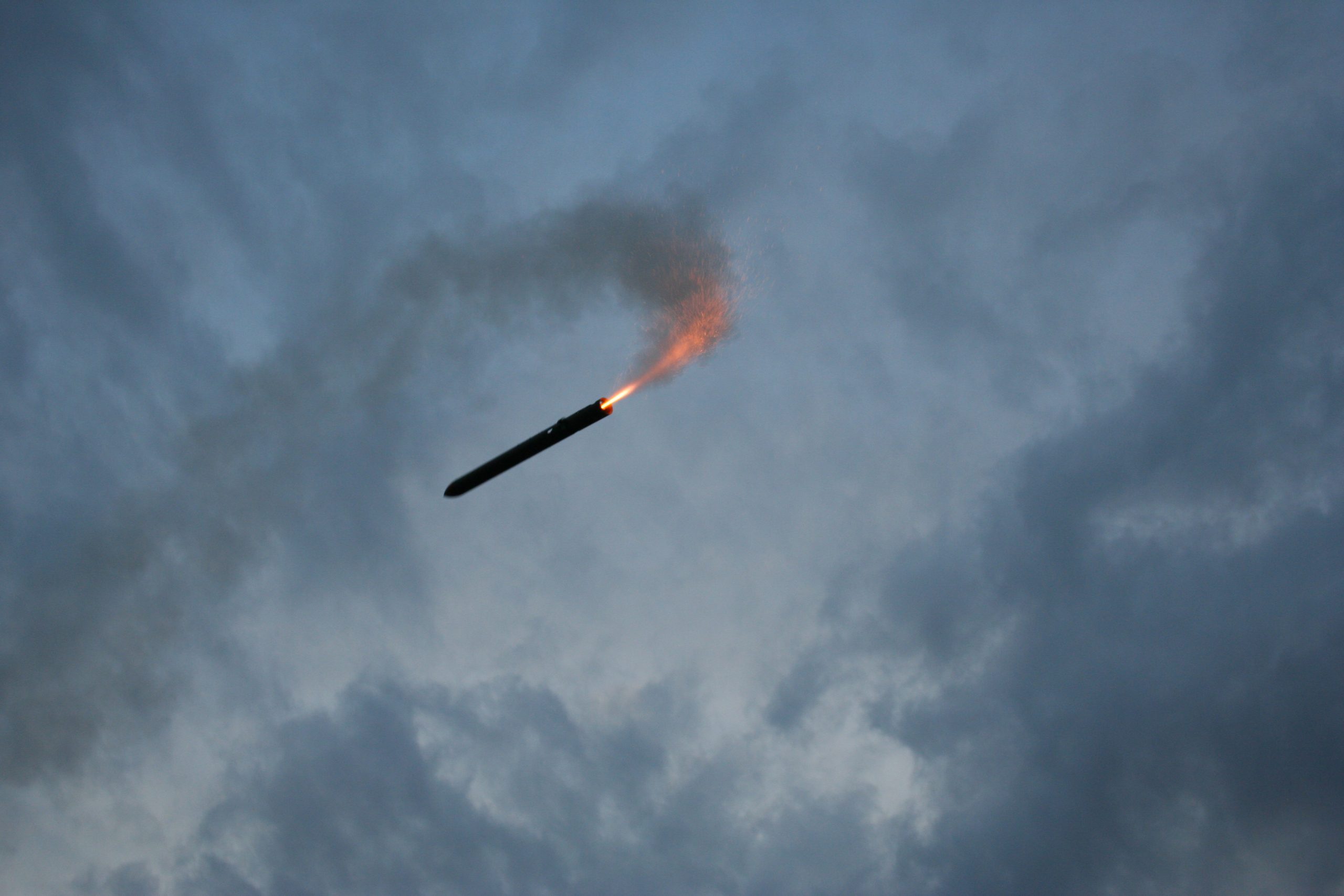
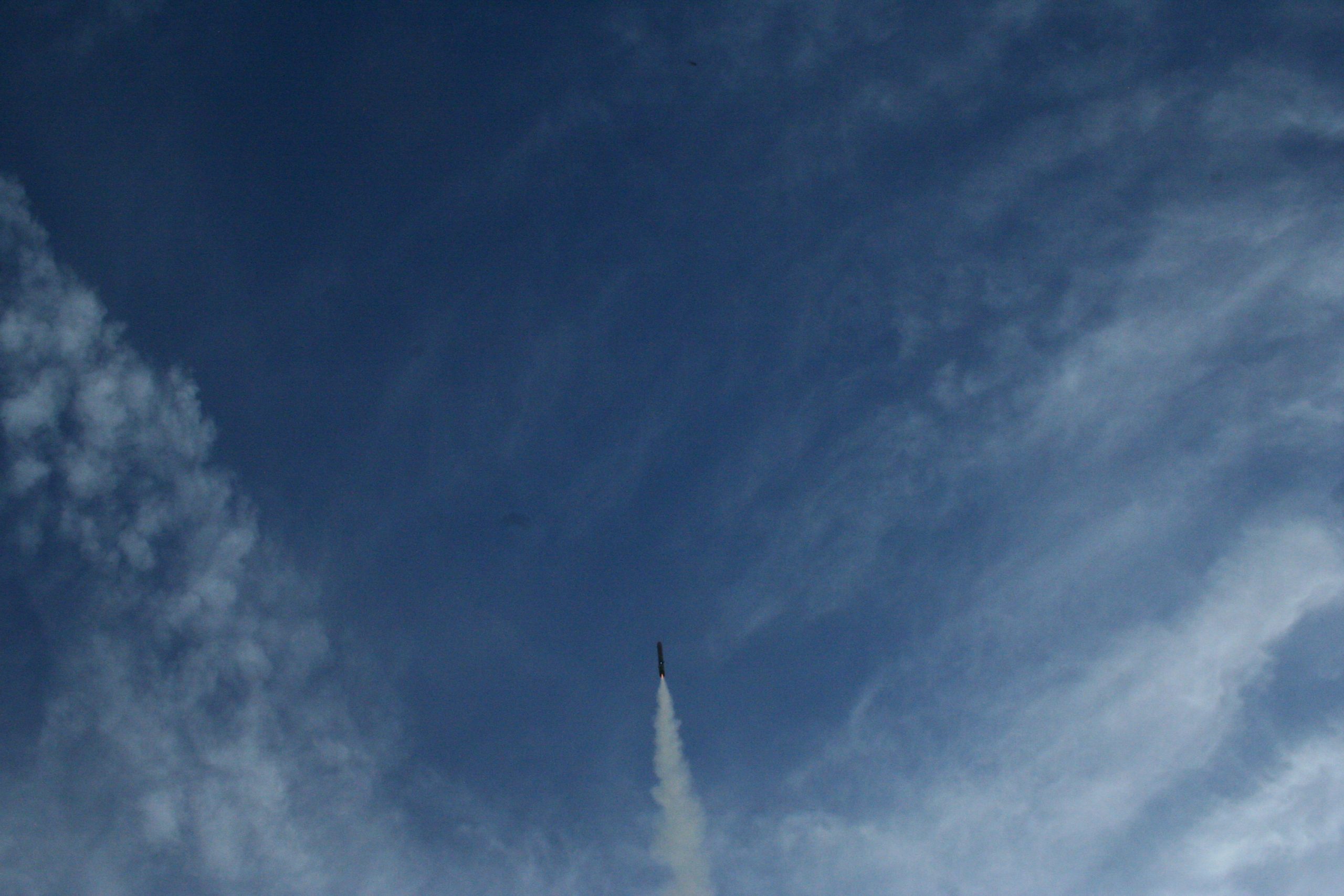
Phoenix 1, our first TVC rocket, was designed to ascend, maintaining stability with TVC, and then land with parachutes. The purpose of this rocket was to help us learn how to build and fly a thrust-vectoring rocket.
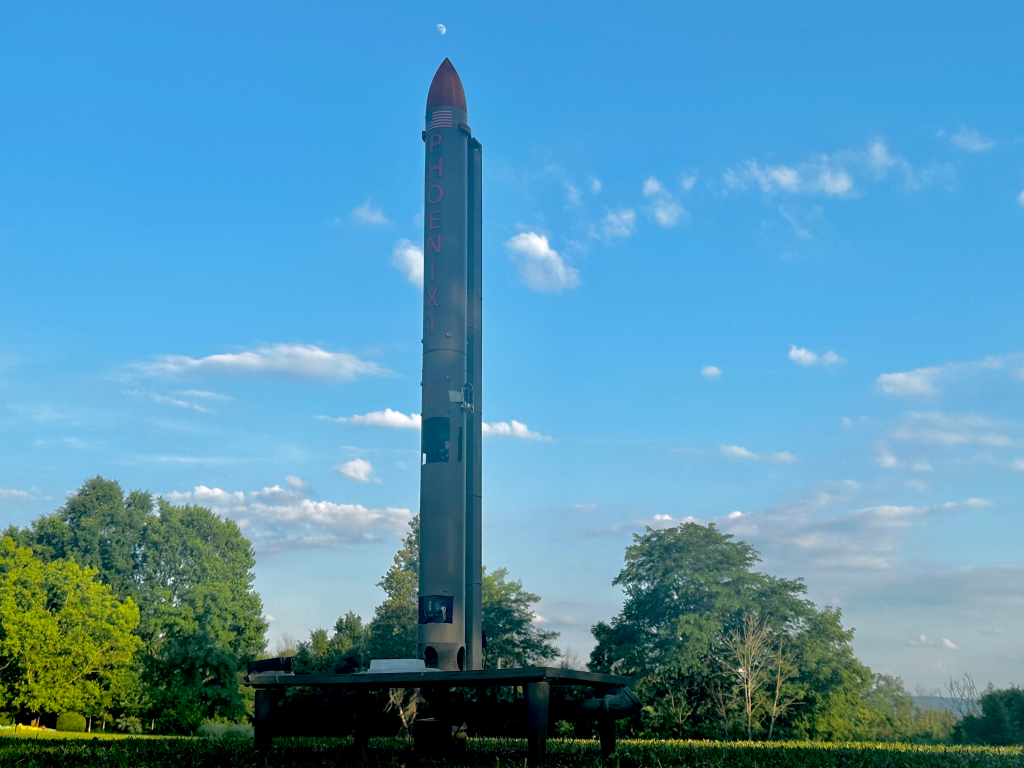
Launch Pad 2
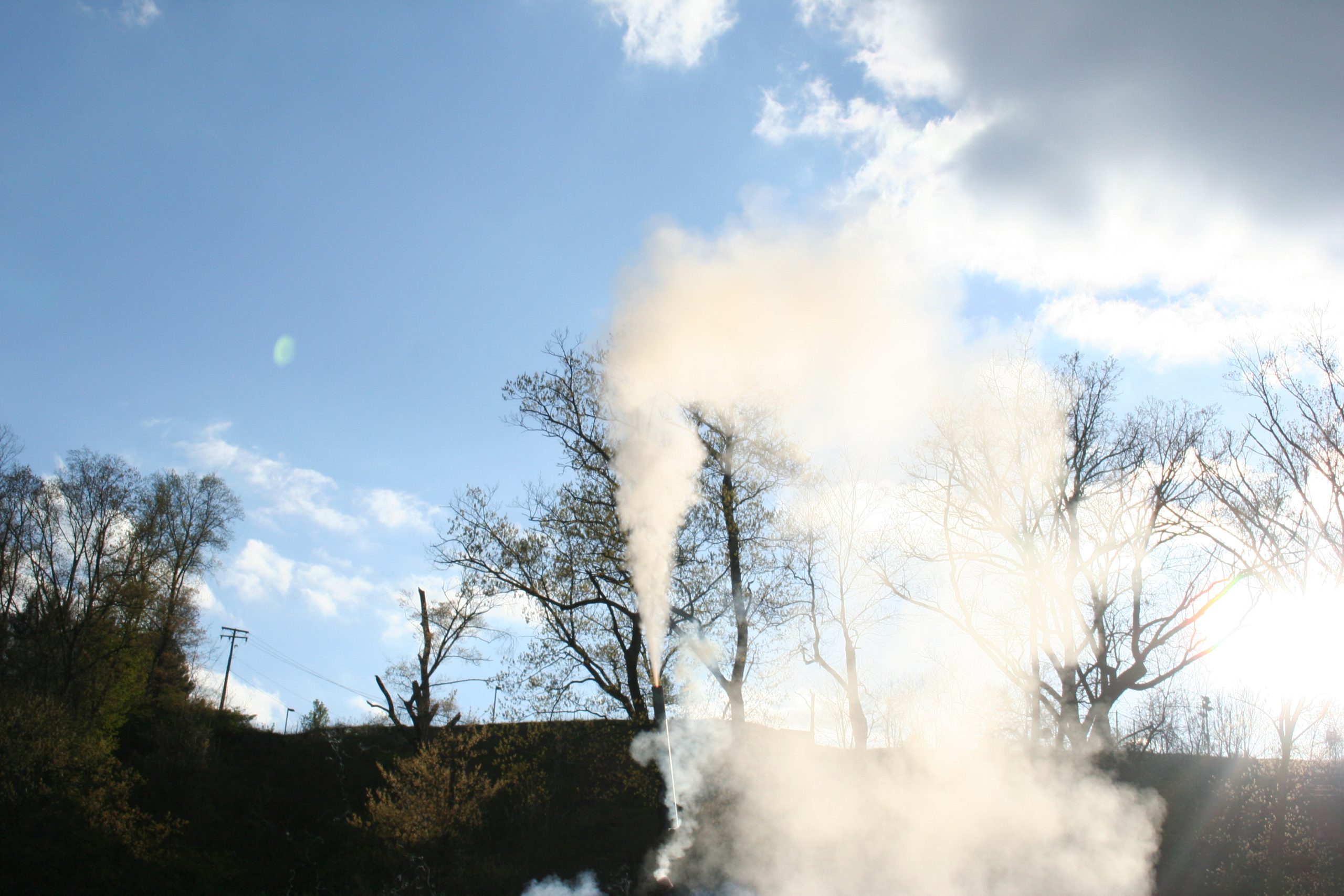
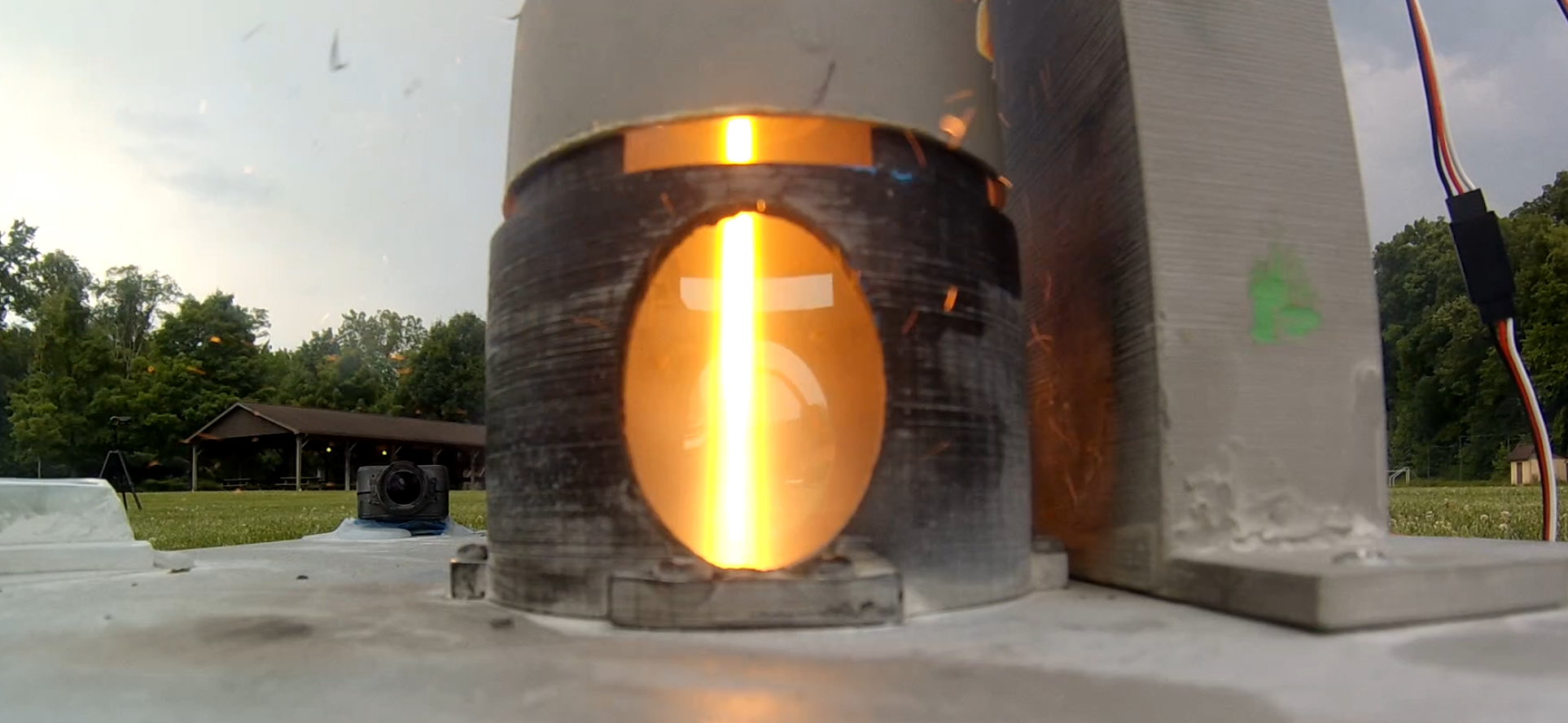
Launch Pad 2 (LP-2) supports Phoenix prior to launch with its mounting ring and Support Tower. The Support Tower has two arms that help the rocket maintain stability on the launchpad to prevent the risk of falling. LP-2 also features a metal flame diverter to redirect the rocket’s exhaust from the ground and launch pad.

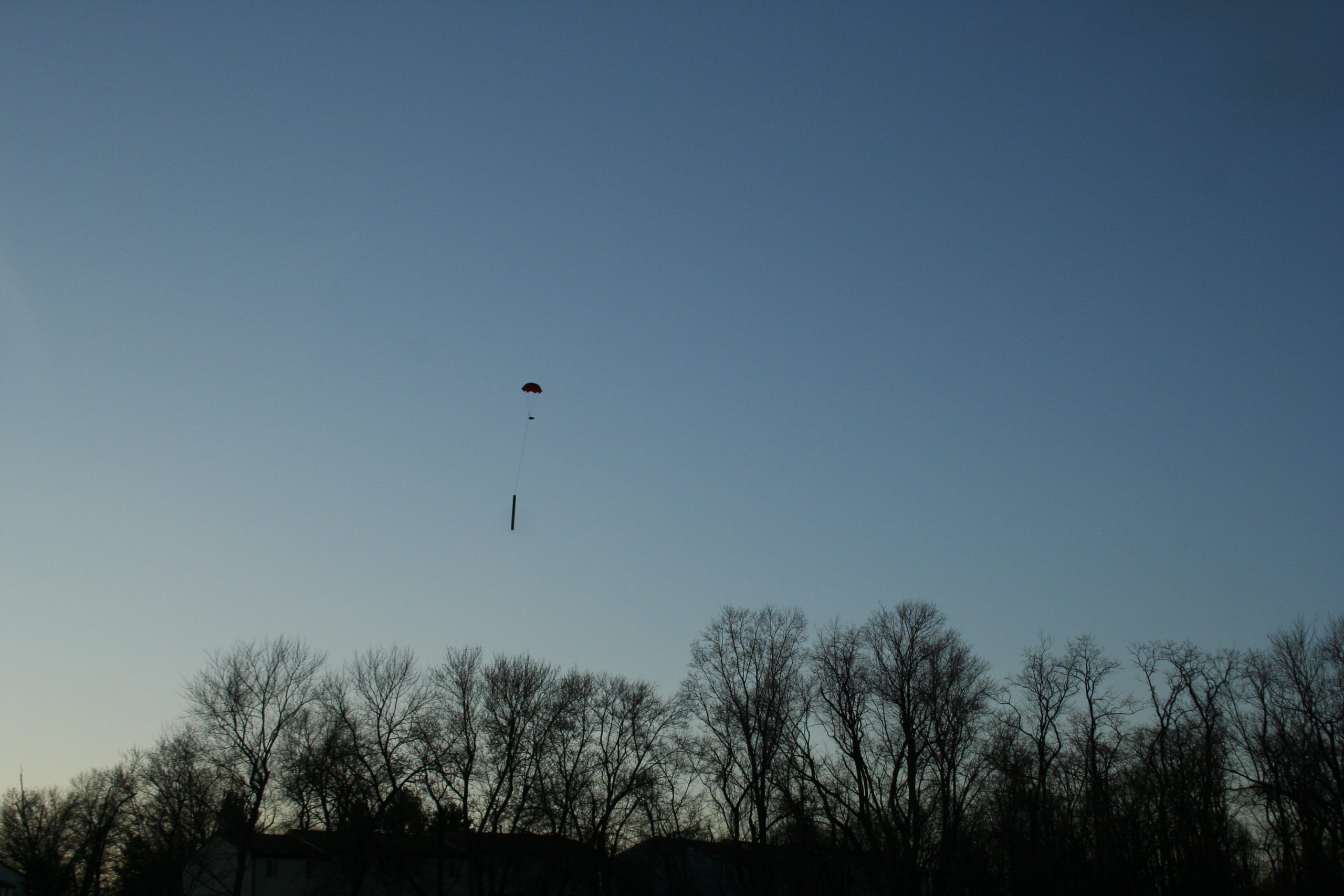
Phoenix 1 Parachute Deployment Test
September 24, 2024
Phoenix 1 Flight Tests 1-7
These flights aimed to test the rocket in a flight environment to learn how to successfully make a thrust vector controlled model rocket. This test campaign followed an iterative approach, learning from failures and making improvements.
Flight 1: Unsuccessful due to premature flight state transition.
Flight 2: Unsuccessful due to the X-axis servo gimballing in the wrong direction.
Flight 3: Partial success with switching between phases of flight, but issues with the IMU.
Flight 4: Unsuccessful due to IMU tuning issues.
Flight 5: Unsuccessful due to the battery disconnecting at liftoff.
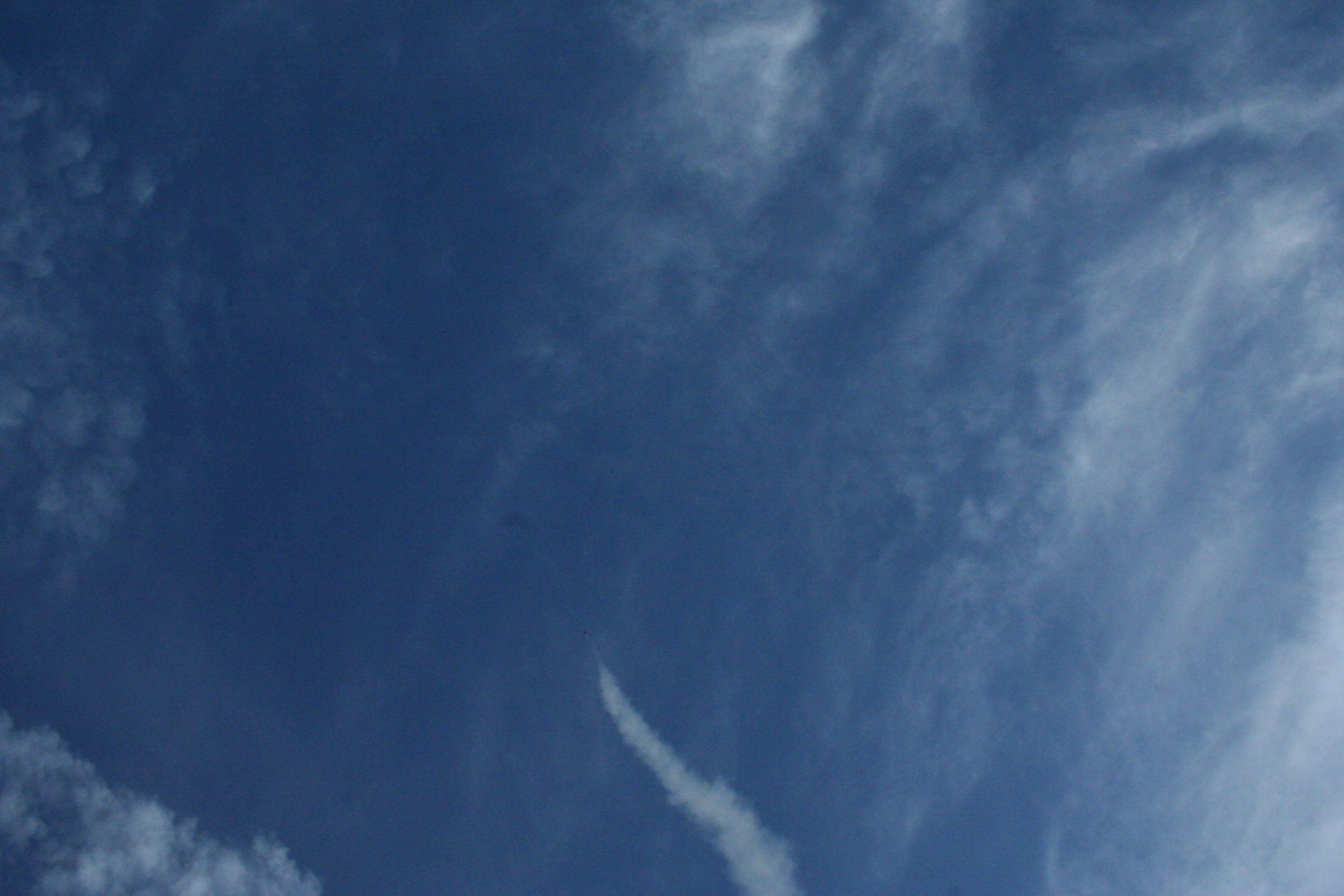
Flight 6: Successful Flight, first nominal ascent of a thrust vectoring rocket from KSLS.
Flight 7: Successful Flight, nominal ascent, and parachute deployment.
Read the full flight reports detailing the flights: Phoenix 1 Flight Reports
Thank you to all those who followed along during Phoenix 1’s development and testing!